Showing posts with label zucchini. Show all posts

Saturday, November 2, 2019

Book-ish

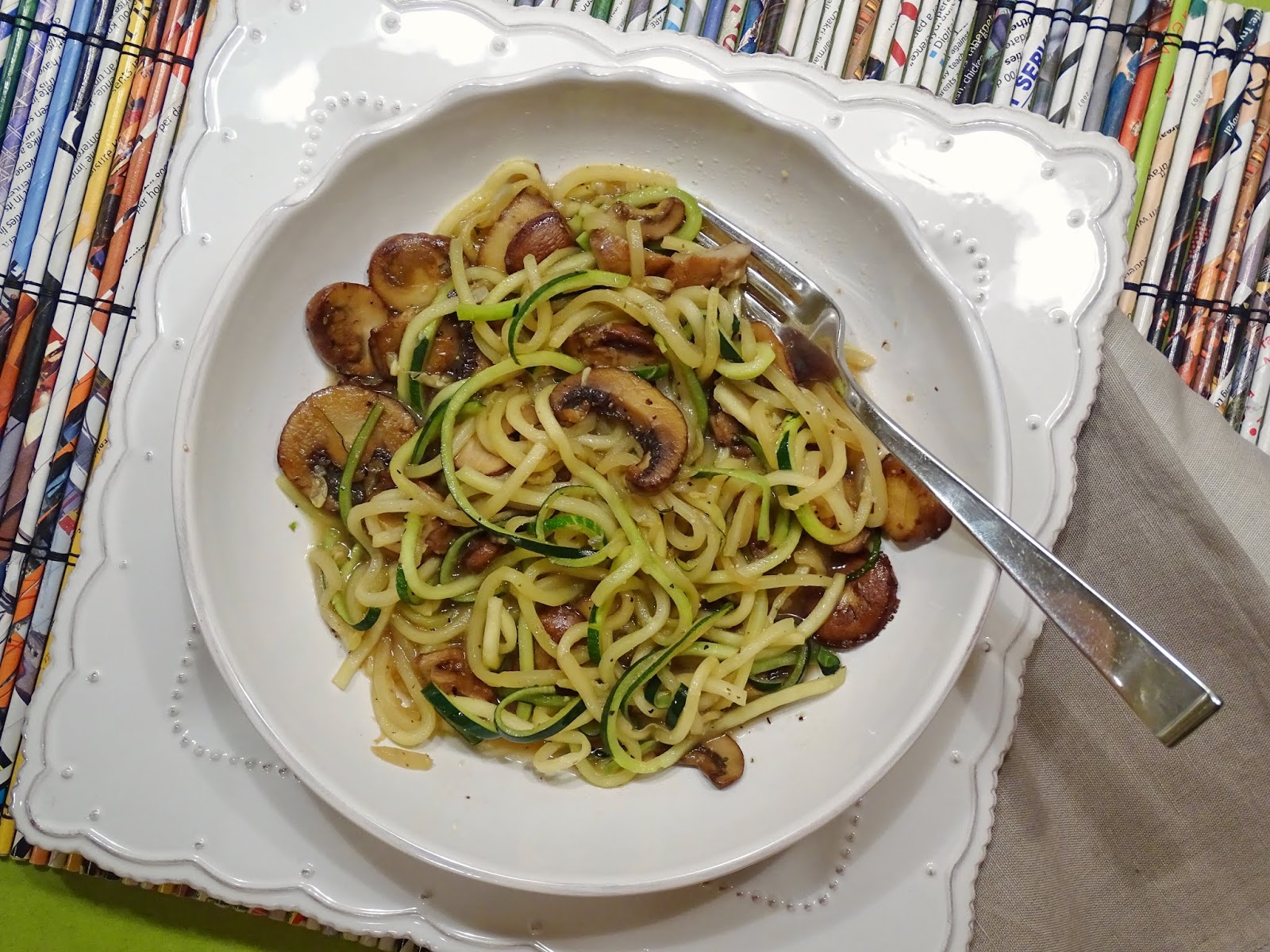
What’s cooking? Zucchini Spirals with Mushrooms


I spent all day last Saturday at the Texas Book Fair, an annual event that takes over a sizeable portion of downtown Austin near the capital and draws upwards of 50,000 attendees.  I started my tour with barbecue king Aaron Franklin (of the legendary Franklin Barbecue), who talked about grilling steaks and his new cookbook, Franklin Steak. Next up, I heard Malcolm Gladwell interviewed about his latest book, Talking with Strangers; then I hotfooted it from one side of the fair to the other to hear Sean Brock, former chef at McCrady’s in Charleston and the Husk group of restaurants across the South, talk about his newest project in Nashville and his latest cookbook, South, as well as his passion for Southern/Appalachian cuisine.

My last stop was a conversation between two authors who are also copy editors: Mary Norris (Between You & Me and her newer book, Greek to Me), who is also a writer and copy editor for The New Yorker; and Benjamin Dreyer (Dreyer’s English), executive managing editor and copy chief for Random House. The topic of their talk was “Word Nerds: Famous Copy Editors on the Glories of Grammar Punctuation.”

I had thoughts that a session with that catchy title might not draw a single person, so I was determined to put at least one face (mine) into the audience. Imagine my surprise when, arriving a full 15 minutes before the start of said session, I learned that there were no seats left. Wait – not only were all the seats taken, but a fire marshall had posted himself outside the room because it was “at capacity,” with people sitting on tables and standing at the back. Amazing, right? Who knew that many people would care so much about punctuation? I considered leaving, but then the fire marshall got called away, so I sneaked into the back.

The conversation was about as riveting as you could imagine, with bits about the “Oxford comma,” writing tics (subconscious gaffes committed on the page by writers), and styles of punctuation and usage that determine a writer’s voice. I’ve written before about finding “my people” in a room of food writers or bridge players, but these were true “ word nerds,” and I felt included, happy, at home.

So what did I learn on my day at the Book Fair? Well,...

■ From Aaron Franklin, I learned that grass-fed steak always has a beefier flavor than grain-fed steak. Also that you should never cook a filet mignon on the grill: there’s not enough fat on it, and what’s there drips down onto the coals or gas burners, leaving the meat dry and tasteless. According to Franklin, the best way to cook a filet mignon is to cook it on the stovetop in a skillet with butter. This was big news to the Kitchen Goddess.

■ Gladwell spoke about his prevailing premise in this latest book: that humans “default to truth” in our communications with others. That is, that we tend to take at face value things other people tell us, even if we should know better. It’s a level of trust that con artists and cheats rely on. But in the modern world, we have no choice but to talk to strangers. To assume the best about another person is “the trait that has created modern society. ... the alternative – to abandon trust as a defense against predation and deception – is worse.”


■ Sean Brock has taken the past two years away from the restaurant business to investigate Southern cuisine. By his measure, the South covers an area equivalent to that of continental Europe, and has at least as many cuisines. Even within one state, the cuisine of, say, southern Virginia differs markedly from the cuisine of the Chesapeake Bay area. These microregions of cuisine have developed as influenced by the types of people who live there (natives, immigrants, Native Americans), the geography of the place, and the plants available in the area. His goal is to understand how these cuisines have developed and how they relate to each other. A food as simple as cornbread will vary widely from one community to the next because of the types of corn available, how it’s stored, and the cooking methods dominant in the area.

* * *


It will not surprise you that by the time I got home, the last thing I wanted to do was cook dinner. And fortunately, my prince was out of town on a golf trip. (Yes, the sport I hated most as a young mother because of the time it took is now a great gift for the time it takes. Not that I love my mate any less, but everyone needs a little alone time now and then.)

I didn’t want to cook, but I also didn’t want take-out. Hmmm... I stopped at the store on my way home and picked up these interesting veggie spirals I’ve been meaning to try, and a box of sliced mushrooms. That’s right – the Kitchen Goddess bought sliced mushrooms. Do as I say, not as I do. They’re not as fresh as if I’d sliced them myself, but when you’re really beat...

It was a perfectly wonderful meal, and embarrassingly simple given the Kitchen Goddess’s leanings. You have to be careful not to overcook the veggie spirals, but that’s easy if you just sample a piece occasionally. And some people will want their zucchini more al dente than others. That’s up to you, as is whether or not you add the chicken broth. I mostly did it for the Knorr flavor, and because I wanted a little liquid.


Zucchini Noodles and Mushrooms


Serves 2.

Ingredients
2 tablespoons olive oil
1 tablespoon unsalted butter
8 ounces crimini (a.k.a. Baby Bella) mushrooms, in ¼-inch slices
1 large clove garlic, minced
1 package (about 10 ounces) zucchini spirals (a.k.a zucchini noodles)
½ cup flavorful chicken broth, or ½ cup water with ½ teaspoon Knorr Seasoning Chicken Bouillon
Garlic salt and freshly ground black pepper, to taste
Garnishes (optional): freshly grated Parmigiano-Reggiano, chopped parsley


Directions
Heat the butter and oil together in a large, high-sided skillet, over high heat, until the butter foam begins to subside. Add the mushrooms and sauté, stirring, for about 4 minutes, until they begin to brown.

Reduce the heat to medium and add the garlic. Cook 30 seconds, stirring, then add the zucchini spirals and continue stirring – gently, in a folding style, so as not to destroy the texture/shape of the squash – until the zucchini is al dente, another 3 minutes.

Pour the broth over the mixture and continue cooking about 1 minute. Remove from the heat and season to taste with salt/freshly ground black pepper, and serve. Garnish – if you want – with grated Parmigiano-Reggiano or chopped parsley.

I served this to my husband a few nights later, and plated it with apple wedges and a nice slice of crusty bread toasted with grated Parmigiano-Reggiano. Outstanding.


Wednesday, October 17, 2018

Catching Up

What’s cooking? Orecchiette with Corn and Zucchini, Jalapeño, Feta, and Basil


Back when our sons were still in high school, the family had a protracted dinnertime debate, lasting many evenings, as to when – if ever – we’d be supplying our two teenagers with their own cell phones. Of course, it seems like a no-brainer these days, when even middle schoolers have them; but those were the dark ages, and we could barely rely on the boys to hang onto their winter jackets. Why would we entrust them with fancy pieces of technology?

Finally, one night, with frustration practically steaming out his ears, our younger son looked across the table at me and said in his most earnest voice, “Mom – you don’t understand – we’re falling behind.”

We did eventually cave to this desperate plea for relevance, with no dire consequences. But the phrase, “We’re falling behind” has stuck with us as a family meme as my husband and I lurch our way forward technologically.

It came up again this week in the final flourish to get our taxes in on time. For whatever reason – I’ll say it’s him and he’ll say it’s me – we seem incapable of getting each year’s documentation together until the very last minute. Unlike the President and his family, we actually send the government what appears to be the right amount of money in April; we just don’t have all the records in order, and that process of gathering and spreadsheeting and packaging it up takes the next six months.

So the accounting firm we use sent the final forms in an email on Tuesday. Grumpy dutifully printed them out and we signed them.

“Will you please fax these back?” he said.

“I would,” I said, “but the router connecting my printer to the internet died over the summer and I haven’t replaced it.”

That was already too much tech for him, but he understood that we had a problem. “I’ll call around and find a friend who’ll do it for us,” I said.

An hour later, I had to admit defeat. “I haven’t faxed in years,” was the common reply from our friends. The CPA firm suggested scanning the signed forms and sending the scanned file, but the printer that also scans was the one that wasn’t communicating with us, and in any case, neither of us understood how to scan. “It turns out,” I said to my mate, “that once again, we’re falling behind.”

Eventually, we found another dinosaur friend with a fax machine, so the government got its pound of flesh in time. And I now have one more technology to conquer: scanning.

* * *

In the less complicated world of food, I can still get corn on the cob in the grocery stores around here, so I’m hoping that means you can get some, too. If not, I’m sure today’s recipe will be wonderful with frozen corn, because it’s really wonderful regardless. And while the original recipe (from The New York Times) featured only corn, the Kitchen Goddess really wanted a more nutritionally complete dish, so she added zucchini squash. You might want to experiment with green beans (cut into ½-inch pieces) or spinach or broccoli florets. Go wild.

Even with the extra chopping for the zucchini, this is a great dish for those nights when you don’t want to spend a lot of time in the kitchen – and even the KG has lots of them, so pay attention. Once you get your mise en place, the whole process will take 30 minutes.

Mise en place!

The pasta in this recipe is orecchiette, which means “little ears.” Its tiny bowl shape is really fun, and perfect for nestling the corn with a little bit of sauce in each bite, but the dish works equally well with fusilli (corkscrew shaped) or farfalle (bowtie) pasta. Flavorwise, I loved the way the salty feta balances the sweetness of the corn, and the tiny kick from the jalapeño adds a nice, perky finish. As the feta melts, it also brings a rich creaminess to the dish. And don’t forget the basil leaves – fresh basil is still readily available in stores, and the fresh aroma will remind you of the best of summer.


Orecchiette with Corn and Zucchini, Jalapeño, Feta, and Basil

Adapted from Colu Henry in The New York Times, August 2018

Serves 4.

Ingredients

1 pound orecchiette pasta (farfalle or fusilli will also do)
6 tablespoons unsalted butter
1 jalapeño, finely chopped
4 ears corn, shucked and kernels sliced off (about 3 cups kernels)
2 cups zucchini, cut in ½-inch dice
Kosher salt
8 ounces crumbled feta cheese
½ cup chiffonade* of basil, plus more whole leaves for serving
Flaky salt, for serving (optional)

*Kitchen Goddess note on chiffonade: Easier than it looks, the term “chiffonade” comes from the French word “chiffon,” meaning “ribbon.” As a culinary term, “chiffonade” is a knife technique for cutting leaves into long, very thin ribbons. Start by stacking 8-10 leaves on top of each other.  I like to put the bigger leaves at the bottom and layer the smaller ones on top. Gently roll the stack lengthwise into a cigar shape and slice it thinly across the roll, using a very sharp knife so as not to bruise or tear the leaves. Continue slicing all the way down the roll to the stems, 
then gently toss the ribbons to
separate them. The oils in the 
leaves are delicate so try to 
make the chiffonade as near in 
time as you can to the serving.


Directions

Cook the pasta in a large pot of well-salted water until it is not quite al dente, which will take about 10 minutes (note the directions on your pasta box). Reserve 1-2 cups of the cooking water before draining the pasta.

While the pasta cooks, make the sauce. Start by melting 4 tablespoons of the butter in a large (10-12-inch) skillet over medium heat. When the butter is hot, add the jalapeño and cook it 2 minutes, until it’s soft.

Add the corn and cook about 4 minutes, stirring only occasionally in order to get the kernels to brown slightly. Move the corn to the edges of the skillet and add the remaining 2 tablespoons of butter and the zucchini to the center, cooking another 3-4 minutes. Again, stir only occasionally in order to get the zucchini pieces to brown slightly. Season with salt to taste.

Add ½ cup of pasta water to the skillet, raise the heat to bring the vegetables to a simmer, and cook until the water has reduced enough to become sauce-like, which will take about 2 minutes .

Stir the pasta into the vegetables and toss to mix well with the sauce. Sprinkle the feta cheese around the dish and pour on an additional ½ cup of the pasta water, tossing until the cheese is melted and the pasta is thoroughly covered with the sauce. If necessary, you can add in another ¼ cup pasta water.

Make the basil chiffonade and stir it into the dish. Serve immediately, garnished with the whole basil leaves. Season with flaky salt, if desired.

This recipe makes a great light meal with nothing more than a green salad and maybe some fruit for dessert. Serve with a nice dry white wine, or my favorite, a dry French rosé. Ms. Henry in the Times wrote that the pasta also works great as a side dish for grilled beef, like a flank steak or a skirt steak, but I haven't tried that. Sounds good, though.


Sunday, September 16, 2018

Summer Reading: Words for Nerds


What’s cooking? Pan-Roasted Summer Squash with Tomatoes and Ricotta


The Season of Summer Reading is coming to an end, and I’m still struggling to get through the list I assigned myself when we left for New Jersey early this summer.

I’ve always been a reader. From the early days of Nancy Drew and the Little House series to
my current, battling obsessions with memoir, non-fiction, and The New Yorker magazine, I can disappear into those pages for hours at a time. Coming up for air brings the same disoriented sensation as if emerging from a deep dive into a swimming pool.

And yet, here I am with a box of books in which I’ve made hardly a dent. Ah, well.

The dent I did make is mostly in two categories: wordsmithing and (surprise, surprise) food-related subjects. So in the spirit of sharing...

If you love language and the nuances thereof, I found two fun books. Ok, maybe “fun” is overstating it, but I had fun reading them.


Word by Word: The Secret Life of Dictionaries, by Kory Stamper, tells the story of how dictionaries get put together, and the people who do it. Perfectly described by Publishers Weekly as “A witty, sly, occasionally profane behind-the-scenes tour.” I enjoyed learning about the methodology and the quirky personalities that come into play; mostly, I marveled at the writing, which is eloquent without sounding stiff or pretentious. Ms. Stamper is herself a lexicographer with Merriam-Webster, so it’s not a surprise that words like “defenestrate” (to throw something or someone out of a window) flow naturally through her writing. But I grinned to see her use “highfalutin,” (pretentious or fancy), one of my Louisiana grandmother’s favorite words. Stamper also introduced me to “cromulent,” which means acceptable or fine and was coined by Lisa on The Simpsons.


Less than 30 pages into Between You & Me:
 Confessions of a Comma Queen, by Mary Norris, I found the author taking a trip to the offices of Merriam-Webster where Ms. Stamper works. I blinked in disbelief, feeling as if I’d come across books written by sisters with different takes on the same family life. Norris is a copy editor at my all-time favorite magazine, The New Yorker, so I was naturally drawn to a story of the inner life thereof. Another writer whose facility with the language has me in awe, Ms. Norris has a wicked and irreverent sense of humor, attested to in blurbs by a handful of New Yorker writers. Am I jealous? Well, yes. Amid the fun – like a chapter on the history of profanity in print and a romp called “Ballad of a Pencil Junkie” – are a few I recommend that you gloss over, like her digression on nominative cases of pronouns (zzzzz ...see what I mean?). But these are small issues within a fun book on language.

Taking a break from the hilarity of grammar and spelling, I’ve been dipping into a much more widely appealing collection of short essays – more like oral histories – from characters on the New York food scene. In Food and the City, compiled/written by Ina Yalof, we hear moving stories from chefs, line cooks, street vendors, bakers, butchers, and a film crew caterer, on how they got where they are and how they feel about what they do. The stories are mostly very short – 3-5 pages – and I have the most fun just jumping around the book. Great for reading before bedtime, as there’s never a sense of “OMG, what’ll happen next?!” But a unique and fascinating broad brush across the food landscape of New York.


Finally, in a tribute to the late Anthony Bourdain, I picked up Kitchen Confidential, the tell-all romp that started his career as a chef/entertainer. And a romp it truly is. Not a literary masterpiece, but who cares? It’s a fun and shocking window into the culinary world, and I’m enjoying it.


* * *

The Kitchen Goddess hasn’t stopped cooking, but much of it has been about revisiting summer favorites. One downside of being always on the lookout for what’s new is that what’s old-but-wonderful gets lost in the wash. So I’ll apologize for not bringing more new dishes your way, dear readers, and vow to be more productive as we move into the fall.

What have I been serving? Here’s a random sample:

Linguine with Herb Broth and Clams


Golden Beet Soup


Eton (Strawberry) Mess


Roasted Tomato-Bacon-Goat-Cheese Galette


My prince and I have also spent a ridiculous number of nights in the local restaurant scene this summer. The accidental theme to our activities this year was about getting together with friends we haven’t seen in a great while. Which usually entails long dinners where someone professional does the cooking. Another consequence is that I have not lost any of the weight I’d planned to lose. Sad.

What to do? The Kitchen Goddess weighed in – literally – and decided we should have some veggie-centric meals while the veggies are still fresh. For this post, that would mean tomatoes and a sampling of the rainbow array of summer squash. Also a new technique: pan roasting. You will be amazed at the sweetness that emerges from extended cooking of veggies at high heat.

The eagle-eyed among you may notice that this dish bears a remarkable similarity to one of the carrot dishes in my last post. Apparently, this business of practically burning one’s veggies in a mix of spices and other flavorings and serving them atop ricotta is another new thing in the food world. Once again, the Kitchen Goddess has your back.


Pan-Roasted Summer Squash with Tomatoes and Ricotta

Adapted from Molly Baz in Bon Appétit, June 2018

Kitchen Goddess note on ricotta: Fresh ricotta is so amazing in this dish. If you can’t find a store where the ricotta is truly fresh (2-3 days old), you either (1) make some yourself – the recipe is here, or (2) buy the freshest you can find and stir a couple of tablespoons of heavy cream into it. Cream is a major ingredient in ricotta, and a little fresh cream will improve the texture and flavor of a standard grocery store ricotta.

This recipe is not just good for you – it’s also very good, period. And easy. The tomatoes and zucchini are a classic flavor combo; add the crunch of the hazelnuts or pignoli and the light tartness of the ricotta – which pairs well with the sweetness of the roasted veggies – and you have a low-cal winner. That touch of richness from the ricotta helps it work as a complete meal.

Makes 4 servings.

I used a mix of pattypan, zephyr, and zucchini squash.
Ingredients 
1 pint sweet cherry tomatoes
2 sprigs fresh thyme, or ½ teaspoon dried thyme leaves
6 tablespoons extra-virgin olive oil, divided, plus some for drizzling the finished dish
1½ pounds medium-sized summer squash
1½ teaspoons kosher salt, plus some for flavoring/finishing the dsh
¼ cup toasted pignoli (pine nuts), or hazelnuts
Freshly ground black pepper
zest and juice of ½ lemon
1 cup fresh ricotta cheese (if not overly fresh, mix in 2 tablespoons cream)
Flaky sea salt
Toasted country-style bread (for serving)

For the dressing:
1 handful of mint sprigs, divided
1 small garlic clove, finely grated
2 tablespoons white wine vinegar
¾ teaspoon sugar
1 teaspoon Aleppo pepper, or ½ teaspoon crushed red pepper flakes

Directions
Make the dressing: Take 3 sprigs of mint in one hand and gently smack them with the other hand. (This is a bartender’s trick to warm the mint slightly and release the oils that give it that quintessential aroma.) Mix the smacked mint in a large bowl with the garlic, vinegar, sugar, Aleppo pepper (or red pepper flakes), and 2 tablespoons of the oil. Set the dressing aside.

Kitchen Goddess note on the dressing: The first time I made this dish, I discovered too late that the mint I had was long dead. Ex the mint, the ingredients were strangely reminiscent of Wish-Bone Italian Salad Dressing, so I bagged this part of the recipe and used my friend Wish-Bone instead. The second time I made it, I had good, fresh mint, and made the dressing as originally planned. I can’t say that I noticed a huge difference, though you may be a bigger food snob than the KG. But the fresh mint is a nice touch in both the dressing and the garnish. Just saying...


Preheat the oven to 350°F. Gently toss the tomatoes in a small bowl with 1 tablespoon of the olive oil, and sprinkle them with a pinch of salt. Pour them onto a rimmed baking sheet lined with baker’s parchment, add the thyme, and roast 30-40 minutes or until the tomatoes have begun to split and release juice.


While the tomatoes are roasting, cut the squash in half lengthwise, and sprinkle the cut sides with the 1½ teaspoons of kosher salt. (This process will get the squash to give up some of its water, which will intensify the squash flavor.) Set the squash in a colander to drain over a bowl for 15-30 minutes, then pat dry with paper towels. Cut the squash into pieces about 2 inches long.


While the tomatoes roast and the squash drains, toast the pignoli nuts (or hazelnuts) in a small skillet over medium heat for 5-10 minutes, or on a rimmed baking sheet in a 350° oven for 10-15 minutes. If you use hazelnuts, chop them into large pieces; no need to chop pignolis.

Heat 2 tablespoons of oil in a large skillet – preferably cast iron – at medium-high until it shimmers. Arrange the squash cut side down in a single layer in the skillet, and cook for about 5 minutes, moving the pieces around (don’t turn them over!) in the pan to ensure even browning, until golden brown on the cut side. Reduce the heat to medium-low, cover the skillet (if you don’t have a lid, use a baking sheet), and continue to cook until very tender, 12-15 minutes. Transfer the squash to a plate, cut side up, and let it cool slightly.


Sprinkle the squash with the reserved dressing (or Wish-Bone); season with kosher salt and freshly ground black pepper. Let sit at room temperature for about 10 minutes. Discard the mint sprigs.

While the squash is soaking up the dressing, mix the ricotta with the lemon zest and the remaining 1 tablespoon of oil in a small bowl; season to taste with kosher salt.

Spread the ricotta in the bottom of an oven-safe dish. Top with the squash pieces and their juices. If you want, run the dish in the oven for another 5-6 minutes, to warm the ricotta. Remove from the oven and sprinkle the lemon juice over the top. Scatter the pignoli (or hazelnuts) and leaves from the remaining mint sprigs over the squash. Drizzle on a little extra olive oil and sprinkle with finishing salt.

Serve with toast.

Monday, October 2, 2017

Ode to Small-Town Charm

What’s cooking? Sea Scallops with Creamed Corn and Tomatoes


The migration south for my hubby and me is once again over. But before we left the Northeast, I spent some time running last minute errands. For me, the best place for that is not our current neighborhood in Jersey City, or even the neighborhoods of Austin. No, the place I prefer is the town we lived in while raising children. My younger son often jokes that I’m the only person he knows who’s crazy enough to drive 30 minutes just to shop for groceries; and as I headed there last week, I thought maybe he’s right.

Afterward, I considered what I had accomplished: hair appointment, manicure, pick up a shirt I’d ordered, shop for toiletries, visit a jeweler, and buy coffee – all at different stores. Six separate establishments within a tight grid of 11 blocks. It wasn’t until I looked at the receipt from the public parking lot where I stashed my car that I realized I’d completed this list of errands – on foot – in  a span of 2 hours and 14 minutes. I’m sure I could have made it all happen in either Jersey City or Austin, but not on foot, and not in that time frame. And the fee for that 2¼ hours? Three dollars. Now I expect those lots are subsidized by the city, but really...

The experience reminded me how much I enjoyed life in a small town. I didn’t think so when we moved there 30+ years ago. I’d been a New York City girl for 10 years, and the idea of living where the population was less than 25,000 and the sidewalks rolled up after 10 p.m. struck me as insanity. But my husband assured me that he didn’t want to raise children in New York City, so that was that. Then we found Summit.

Photo credit: Elizabeth Winterbottom Team, Local Realtor
Originally incorporated as Summit Township by an act of the New Jersey Legislature in 1869, Summit was reincorporated as a city in 1899. It likely got its name from its location on the easternmost edge of the Watchung Mountains, about 20 miles from Manhattan. Back in the 19th century, it was a favorite destination of wealthy of New York City residents fleeing the summer heat. Today, it’s still a popular suburb among financial industry workers and other commuters to Manhattan.

Photo credit: Daniel Case at the English language Wikipedia

It’s a quirk of many New Jersey suburbs that they are divided from each other in fairly random fashion. Depending on how the lines were drawn, you might live in a different town than your neighbors across the street. Suburban sprawl has already taken its toll: Summit’s 6 square miles are tightly constrained by the cluster of other towns on all sides, a vise that tends to push real estate values to impressive heights.

Photo credit: Daniel Case at the English language Wikipedia
But the town’s charm is in its embrace of those confines. The downtown shopping area covers at best 16-17 square blocks, and – by law – there’s no drive-through fast food and no buildings more than three stories high. Most are one or two. It’s hard to spend any time walking around without seeing someone you know, even if you moved away eight years ago. And a few of the merchants still know my name.


Of course, my favorite part of the town remains its farmers’ market. As I said so long on Sunday to friends at the organic farm stand, I loaded up on Tuscan kale, golden beets, and cherry tomatoes. Another stand had corn and zucchini. At the fish monger, I picked up a last pound of sea scallops, then I went home and cooked this most wonderful dish that takes advantage of the season’s best. If you can’t get fresh corn, use frozen, but you must try this dish.

Melissa Clark posted a similar dish in The New York Times not long ago, using shrimp. You, too, could use shrimp. But when you have the freshest sea scallops this side of the Mississippi, that’s what you cook. The zucchini was my own addition, too, and I was so glad. It’s got a very neutral flavor and keeps the corn sauce from being quite so thick and ... well, corny. Any other summer squash would do as well. And I love the salty tang of the feta cheese.

Sea scallops are rich, so 1¼ pounds of scallops is really all you need to feed four people, and the corn-zucchini-feta sauce is filling. I served this once with a salad and sliced peaches (though any fresh fruit would do), and once with a sauté of green beans instead of the salad. The dish makes a beautiful presentation, and it’s easy to make the sauces ahead of time and heat them up while you’re cooking the scallops. So it’s a great dish to serve guests.

Kitchen Goddess note on zucchini: For this dish, look for squash that’s small and firm and heavy feeling. The skin should be smooth and shiny, with no blemishes. If large zucchini is what you have, cut them in half and scoop out the seeds before dicing them. Smaller squash won’t have all those seeds, and what they have will be small and tender.


Sea Scallops with Creamed Corn and Tomatoes


Inspired by Melissa Clark in The New York Times.

Serves 4.

Ingredients
1¼ pounds large sea scallops (12-16 per pound, or 4-5 per person)
Kosher salt and freshly ground black pepper
4 tablespoons unsalted butter
2 cups diced zucchini (½-inch dice)
KG’s latest discovery: an easier way to cut corn off cobs. Upend a small bowl
 inside a larger bowl and slice down the side of the cob. The small bowl
provides a stand for the cob and the larger bowl catches the corn.
3 tablespoons heavy cream
2½ cups corn kernels (from 3 ears)
½ cup crumbled feta cheese
3 tablespoons olive oil
2 small white onions or ½ large, cut in ½-inch dice
2 cups cherry tomatoes, quartered
2 cloves garlic, minced
Dash of Worcestershire sauce
2 teaspoons fresh lemon juice
½ teaspoon Aleppo pepper (or a dash of cayenne pepper)
Chiffonade of basil leaves for garnish


Directions
Pat the scallops dry with a paper towel, and lay them out on a plate or paper towels, and sprinkle them with salt and pepper.

First make the corn/zucchini/feta sauce. In a large skillet, melt 1 tablespoon of the butter and add the zucchini. Sauté over medium/medium-low heat for 3 minutes. Add 1 more tablespoon of butter and when it has melted, add the cream. Reduce the heat to medium-low, stir in the corn and cook, covered, for 10-12 minutes or until the corn is very soft. Stir occasionally. If the mixture appears to get dry, add a tablespoon or two of water.


Transfer the corn/zucchini mixture to a blender and add the feta, plus1 teaspoon of salt and ¼ teaspoon of freshly ground black pepper. Blend until you get a thick purée. Set aside the mixture and keep it warm until you’re ready to serve.


Next, make the tomato sauce. Wipe out the skillet you used with the corn/zucchini, and put in 2 tablespoons of olive oil. At a medium setting, heat the oil and add the onion. Sauté the onion until pale gold and soft, about 5 minutes. Stir in the tomatoes and the garlic, plus a large pinch of salt. Cook the tomatoes – again adding a tablespoon or two of water if needed – over medium heat for about 8 minutes, until the tomatoes break down into a sauce. Stir in the Worcestershire sauce, the lemon juice, and the Aleppo pepper/cayenne. Set aside the sauce and keep it warm until you’re ready to serve.


Lastly, cook the scallops. Wipe out the skillet again (or use a different one!) and melt in it the remaining 2 tablespoons of butter and the remaining 1 tablespoon of oil. Raise the heat to medium-high. When the surface of the oils shimmers, place the scallops in the oil and DO NOT TOUCH THEM for 3 minutes. (This will allow the natural sugars of the scallops to caramelize.) Using a spatula, turn the scallops over and cook – again without disturbing them – for another minute, then remove the skillet from the heat.


To plate the dish, spoon enough corn/zucchini purée into a wide, shallow soup bowl to cover the bottom. Place the scallops on the purée and spoon the tomato sauce on top. Garnish with ribboned basil leaves.

Enjoy the fall!


Tuesday, August 22, 2017

Something New for When They Ask You to Bring an Appetizer

What’s cooking? Marinated Zucchini

A layout of noshes for a luncheon with friends. The zucchini is the far right dish. The center dish is a fava bean pesto, but that recipe is for another time.
For the longest time, I’ve had a little tidbit of fun to share. But I never could figure out a way to incorporate it thematically into a post. Until now.

Soooo... I was listening to a Serious Eats podcast, in which the host interviewed Chef Missy Robbins. After running the kitchens at some of the country’s better Italian restaurants (Spiaggia in Chicago, A Voce in NYC), Ms. Robbins has opened her own eatery, in a renovated garage in Brooklyn of all places. It’s called Lilia. And right off the bat, she earned herself THREE stars from New York Times critic Pete Wells.

I’m a big fan of Wells’s writing, so I read the review, and amazingly enough, it opened with a reference to one of my new faves in internet lingo:

“My one-sentence review of Lilia for the too-long-didn’t-read crowd: Missy Robbins is cooking pasta again.”

In the world of web slang and acronyms, you likely already know LOL and IMHO and WTF and OMG. But how about tl;dr? Always written in lower case – and the only one I’m aware of that uses specific punctuation – it refers to a post/article/rant/review that’s a little too chock full for its own good, and it means “too long; didn’t read.” It apparently began as a form of protest – an editorial notation to indicate that a passage exceeded the reader’s attention span. Most recently, it can also be used by a writer to point out a précis of a longer piece, as Pete Wells did with his review of Lilia. As a writer who often finds herself penning more than is really necessary, I just think it’s fun, and hope none of you see my posts as tl;dr.

And now, in the way that internet denizens inevitably stretch any good idea into hyperbole, there’s even a Facebook page for tl;dr wikipedia, and a Twitter page for the same thing, where writers use humor to present Wiki-like entries stripped to the bare essentials. As in these examples:

Exclamation point (!): An exclamation point is a punctuation mark used to indicate that the writer of a sentence is a 12-year-old girl.

Nintendo: According to your mother, a Nintendo is anything with buttons on it.

Cracker Barrel: Cracker Barrel is a chain of restaurants catering to travelers with the insanely specific need for both pancakes and a wooden sign that says “Never Enough Thyme.”

Reply all: Reply all is an email function that streamlines the process of getting fired.

At the end of this journey into another way to waste time online, the Kitchen Goddess was naturally intrigued with the thought of a visit to Lilia. It took a month to secure a reservation before 9:45pm, but that only reinforced my desire.

I was not disappointed. Amazing pasta, inspired desserts, delightfully funky if noisy environment, and the trip to Brooklyn’s Williamsburg neighborhood was an adventure in itself. Then the very first dish we tried – raw, lightly crunchy zucchini marinating in olive oil with capers and herbs – piqued my tastebuds with the excitement you get from a successful movie trailer. I bogarted the last few pieces in the bowl, then begged our server to tell me what was in it. When the list of ingredients contained fennel pollen, I knew I had to try it on my own.
 
Kitchen Goddess note on fennel pollen: The KG has mentioned fennel pollen before on this blog, and yet I sense that many of you still haven’t tried it. What are you waiting for?

Fennel pollen has been gaining popularity in the U.S. since Mario Batali began to cook with it in the 1990s. In Italian cuisine, it’s often added – in lieu of saffron – to pastas, pestos, and risotto. Although the primary flavor of the fennel bulb is licorice, the pollen carries a much more nuanced mix of flavors, conveying a sweet mustiness that reminds me of curry. In an article for Saveur magazine, the award-winning food writer Peggy Knickerbocker wrote, “If angels sprinkled a spice from their wings, this would be it.”

The aroma alone will transport you to the stalls of some Middle Eastern spice bazaar. I had it on a crusted pork roast and practically keeled over. I toss some in chicken soup, in lentil soup, and sprinkle it on roast chicken.  A whiff will give you ideas of what to do. It’s the ultimate secret ingredient, and it’s now available in specialty spice stores, some high-end groceries, or online.

The KG orders hers online, from My Spice Sage for $19.75/ounce (less if you order more) with free shipping, or through amazon.com for slightly more. Try some – for the timid, try sharing an order with a friend. You won’t be sorry, and then you can make this dish...


Marinated Zucchini 

Inspired by Missy Robbins at Lilia, in Brooklyn, New York.

Serves 6-8.

Ingredients
16-20 ounces (1-1¼ pounds) zucchini or any summer squash, including pattypan
½-inch wide strips of zest from one lemon (use a vegetable peeler)
juice of one lemon (about 2 tablespoons)
1 teaspoon champagne vinegar or white wine vinegar
1 teaspoon kosher salt
½ teaspoon sugar
1 teaspoon brine from caper jar
1 tablespoon capers
1 teaspoon fennel pollen
½ teaspoon dried dill or 1 teaspoon fresh dill, chopped
½ cup extra-virgin olive oil

Choose squash that are small and firm, as the skin will be thinner and the seeds smaller and tenderer.
Directions
Slice the zucchini (and any other long squash) on an angle into pieces about ½ inch thick. If you have pattypan squash, slice it into wedges about ½ inch thick at the outside. Put the squash into a medium mixing bowl or a 6-7-cup plastic container with a lid.

In a jar or separate small bowl, combine all the remaining ingredients except the olive oil. Shake or stir until the sugar and salt are dissolved. Whisk in the olive oil and pour the mixture over the squash. Cover the bowl tightly with cellophane wrap or plastic lid and refrigerate 4-5 hours before serving. Serve in a decorative bowl with toothpicks or cocktail forks.

Monday, October 3, 2016

It’s Easy to Be Brave When You’ve Got GPS
What’s cooking? Zucchini Crudo and Caprese Salad


Before I launch into my story, I want to take a moment to thank Claudio Bisio and Patricia Thomson, of La Dolce Vita Wine Tours for their extraordinary knowledge and endless patience in putting together a most educational and thoroughly enjoyable experience for our group. If you’re interested in a wine tour through Italy, Sicily, Spain, or Portugal, check them out or drop them a line: www.dolcetours.comInfo@dolcetours.com


Until traveling there, I never understood the true nature of Sicily. I thought of it as an island, populated with dozens of tiny seaside villages. And what is an island but one long continuous beach? So I imagined my trip there to be designed for adding copiously to my collection of sand. I packed half a dozen baggies, figuring that every time we stopped, there’d be sand to collect.

This is about half of my collection. Another obsession. 


So imagine my surprise – and dismay – when Sicily turned out to be an island, yes, but an island of mountains. Steep, rocky mountains plunging headlong into the surrounding sea. According to a geologist friend on this trip, Sicily’s terrain developed from a complex plate tectonic region where three plates (a “triple junction”) collided in a furious mash-up of rock and soil. Hardly a beach in sight. And those tiny seaside towns were mostly clinging to the sides of the mountains or dug like fortresses into the tops.

The view from Taormina.
As our trip wore on, I became increasingly frustrated. From high on a rocky outcropping, I’d occasionally spot a strip of beach, but it was always too far away to reach, and not part of our itinerary, which focused on wineries and ancient ruins. I was thoroughly enjoying myself – but I kept thinking there’d be an opportunity for sand.

First, the wineries: Abbazia di Santa Anastasia is a 12th century abbey now transformed into a winery east of Palermo.

Nero d’Avola grapes at Marco de Bartoli in Marsala.

Learning about wine production at Alessandro di Camporeale winery.

Tasting the wines of Cusumano, at their cellar in Partinico, in a thoroughly renovated 19th century baglio (fortress home).

The Cusumano lineup. These highly innovative winemakers use glass corks.

And then the ruins: the medieval castle at Erice is part of a walled city 2,460 feet above sea level, in the region of Trapani.

The Kitchen Goddess always enjoys a good temple. This one is the Doric temple at Segesta, thought to have been built between 430 and 420 BCE.
More ruins: the Teatro Greco (Greek theatre) dates from the second century BC. Its original use was for gladiator shows.

Then on our last day, as my hubby and I drove back across the island to the airport, I convinced him to take the scenic route. In the back of my mind – ok, ok, in the absolute front of my mind – I figured I’d spot a little beach somewhere and coerce him into stopping for sand. How hard could it be?


I spotted signs for San Stefano di Camastra a full 14km ahead and started working on my mate. “It won’t be hard – we’ll just cut over to the SS113 and pop into town. It looks like the beach’ll be right there. And then Fanny [the name I’d given to the British voice on our GPS system] will get us back onto the Autostrada.” And so, against his better judgment, he took the exit.

It turns out San Stefano is not nearly at the bottom of the hill. But just into the town, I spotted signs for a hotel, the Playa Bianca – white beach?! I was salivating. We followed the signs, but the hotel was only halfway down the hill, so with more grumbling from my driver, we headed farther down. Back and forth the road wound, narrowing all the time. I could see the water coming closer and closer. We made the last turn, and there it was... a small, weather-beaten warehouse with a few boats. Nothing you’d recognize as a beach. Like many shorelines along the Mediterranean, what’s there is smooth rock on top of sand. Sort of like pretty gravel. In fact, a lot like pretty gravel.

But there was water, and wherever water meets land, I call it beach.

My husband did not. “This isn’t beach, Lee. And you can’t get down that incline without hurting yourself.”

I made him get out of the car and at least smell the salt air – which was amazingly lovely and fresh – and listen to the water lapping against the shore. These moments are good for your soul, and his clearly needed a tiny lift.

“Not bad,” he admitted. Then my prince headed back to the car, with a word of caution tossed over his shoulder. “Don’t expect me to come save you.”

How silly he is, I thought. I’m just going over to the top of the incline and collect some of these nice rocks and a bit of sand.

I bent down and had just reached out for a particularly pretty stone when I heard a soft clatter. My reading glasses had fallen out of my shirt pocket. They bounced a few feet down the incline. Oops. And every time I tried to slide a little closer to them, they bounced a bit farther. This will not do. I could feel my husband’s glare through the windshield. Finally, carefully, I stretched out my foot and nudged the glasses up toward my hand.

I was covered with dirt and sand when I made my way back to the car, but I had my glasses and I had my sand. With Fanny’s help, we reversed course – up the hill and back to the Autostrada. And now I have this story to tell.


* * *

With all the travel, I haven’t done much cooking. But many of the restaurants we visited offered a delightful Caprese salad, and there was one night at the house we rented when the Kitchen Goddess appeared and made what I call Zucchini Crudo. So here at the end of the season, when you can still get good tomatoes and basil and zucchini, here are a salad and an appetizer you should try.

The Caprese salad is originally from Capri, but it was literally everywhere on Sicily, so here it is. And keep your hands off that balsamic vinegar. This combination is a perfect blend of flavors with nothing more than good olive oil.


Caprese Salad


Ingredients
■ Get the plumpest, juiciest tomatoes you can find. Do not refrigerate them.
■ Also the freshest mozzarella. If you can find a grocer or cheesemonger who makes the mozzarella fresh each day – and plenty do – that’s where you want to buy it. You’ll be amazed at the difference in texture really fresh mozzarella offers. And don’t refrigerate it if you are serving it today.
■ A small bunch of fresh basil, firm and bright green. Not limp.
■ Kosher salt or sea salt, and freshly ground black pepper.
■ Best quality olive oil.

Directions
Slice the tomatoes and place them on a plate. Slice the mozzarella and sandwich it between slices of tomato, or layer it on top. Place basil leaves either around the plate or on top of the mozzarella. Sprinkle all with salt and pepper. Drizzle olive oil across the salad and serve.

And now for the appetizer...


Crudo means “raw” in Italian, so the term is the one used for sushi in Italy. I’ve applied it here to zucchini, as the vegetable is eaten raw, after briefly marinating in olive oil and lemon juice. It’s the Kitchen Goddess’s own take on a dish she once had in a restaurant. I love the fresh flavor, and it is practically calorie free, so you might want to have an extra plate of the stuff in reserve.

Zucchini Crudo


Ingredients
1 medium zucchini squash
half of a lemon
kosher salt or sea salt and freshly ground black pepper to taste
1½  tablespoons good quality olive oil
1 tablespoon sliced almonds, lightly toasted and lightly crushed


Cut the zucchini into thin slices (about 1/16th of an inch) and arrange in a single layer on a plate. (This part will go faster if you have a mandoline, but mine was 2000 miles away.) Squeeze the lemon juice evenly over the zucchini. Drizzle the olive oil over all and add a light dusting of salt and pepper.

Let the zucchini marinate in the lemon juice and oil for 5-10 minutes, then sprinkle with almonds before serving. Set a supply of toothpicks (or small forks) next to the plate, as it’s too messy for finger food.


Kitchen Goddess note: When I went to make the dish for this post, I found that I had no almonds. What I did have were the toasted and salted apricot kernels I bought on my Danube trip earlier this year. If you, too are out of almonds, try substituting pine nuts or pistachios – just remember to toast them lightly and crush/chop them a bit before adding them to the dish.